
Marché de la Libération, Nice: A Local Market, Beautiful Architecture & Street Photography
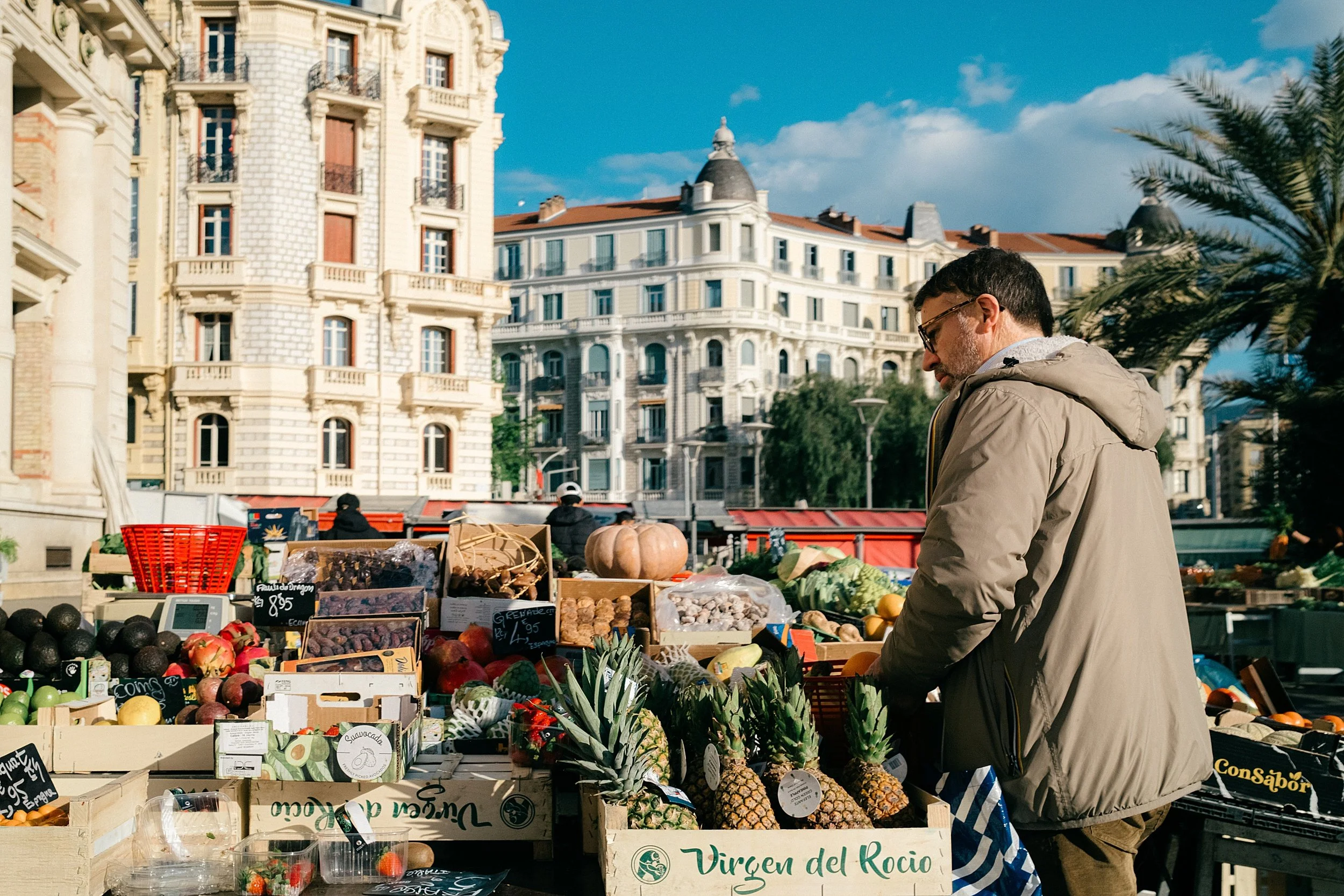
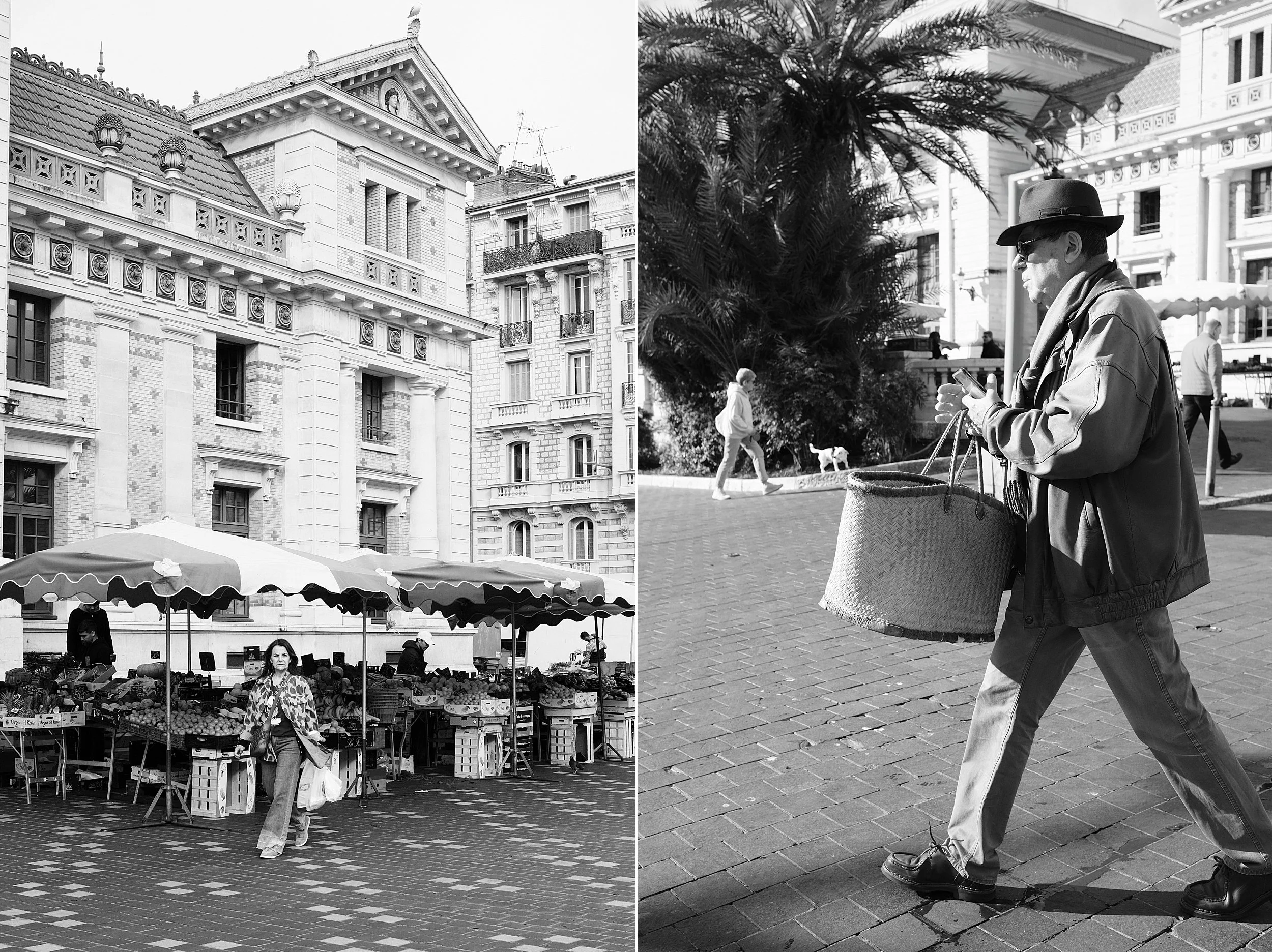
I spent six days in Nice in March 2025, and while I loved photographing the colorful streets of Vieux Nice, the cafés around Place Garibaldi and the activity along the Promenade des Anglais, I was equally interested in exploring neighborhoods where people were simply going about their daily lives. That curiosity led me to Libération, a neighborhood north of the main train station with a wonderful outdoor food market, beautiful architecture and a distinctly local atmosphere.
I'd come primarily to photograph at the Marché de la Libération, one of Nice's largest daily produce markets. I expected colorful stalls, interesting people and plenty of opportunities for candid street photography. What I hadn't anticipated was how much I'd enjoy the surrounding neighborhood, or how friendly the residents would be.
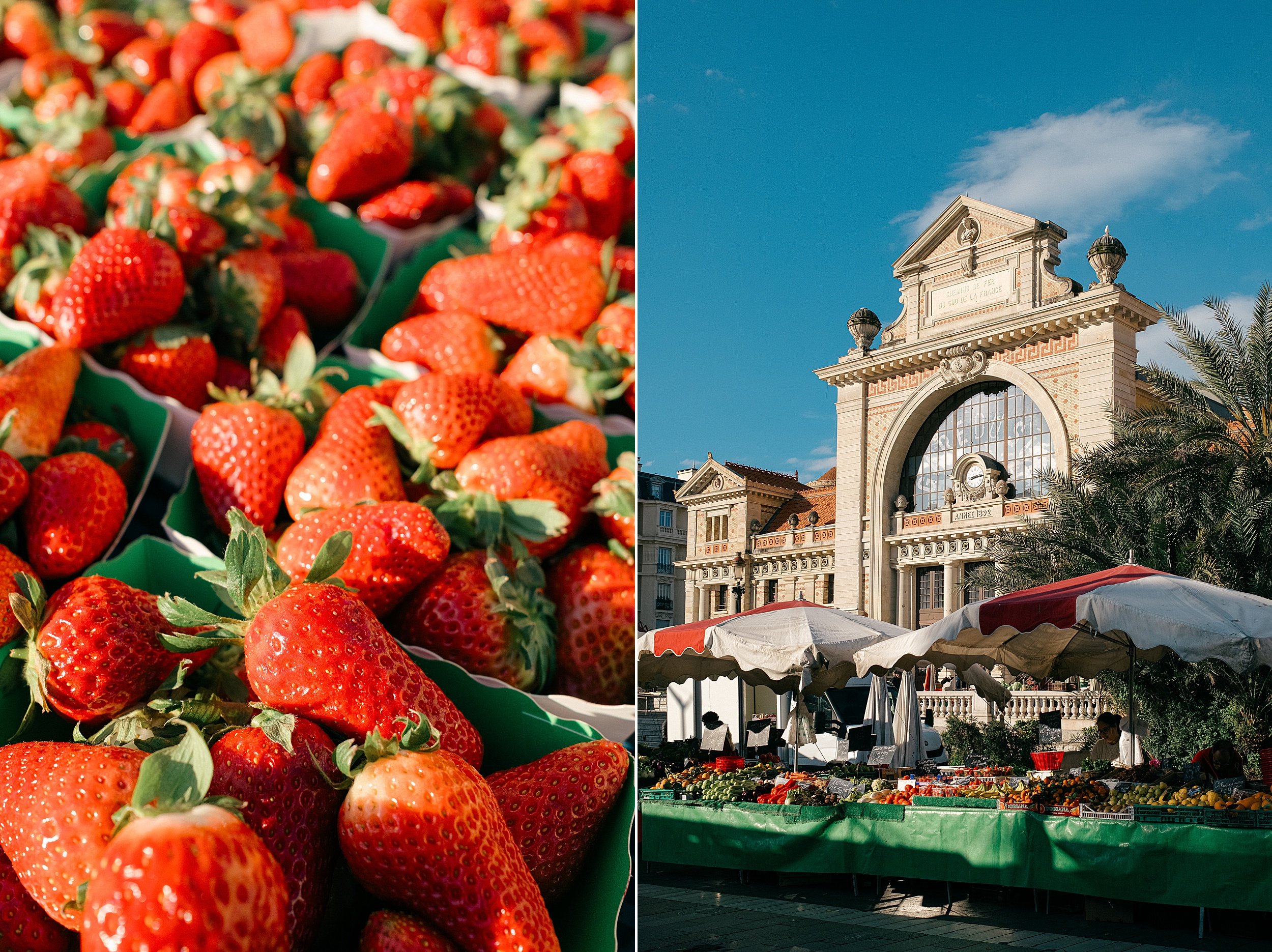
Several people stopped to ask what I was photographing, struck up conversations or offered to take my picture. I was wandering around alone with my camera, photographing buildings and everyday street scenes, and apparently that was enough to make a few people curious. It was such a pleasant experience, particularly in a city where the more famous neighborhoods can be crowded with visitors.
Libération ended up being one of my favorite discoveries in Nice. The market was wonderful, but I'd recommend visiting even if you have absolutely no intention of buying a tomato.
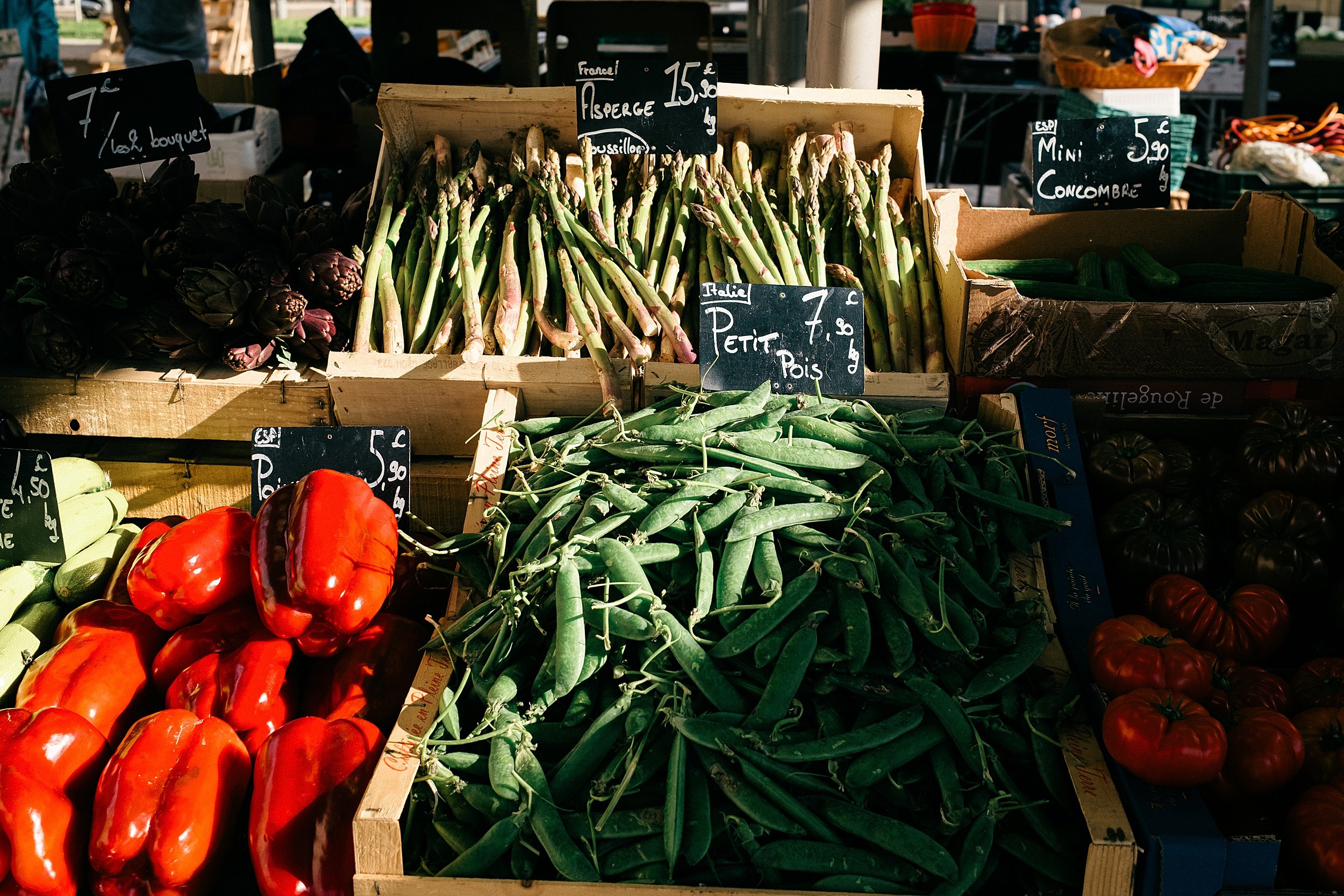
Marché de la Libération: One of Nice's Best Local Markets
The Marché de la Libération is a large outdoor food market centered around Place du Général de Gaulle, extending into the surrounding streets near Avenue Malausséna and the historic Gare du Sud. It's a popular place for Nice residents to shop for fresh produce, seafood, flowers, cheese and other regional specialties.
Unlike the famous Cours Saleya market in Vieux Nice, which attracts large numbers of tourists, Libération feels more closely connected to the daily routines of the surrounding neighborhood. People arrive with shopping bags and baskets, greet familiar vendors and move between stalls selecting ingredients for their meals.
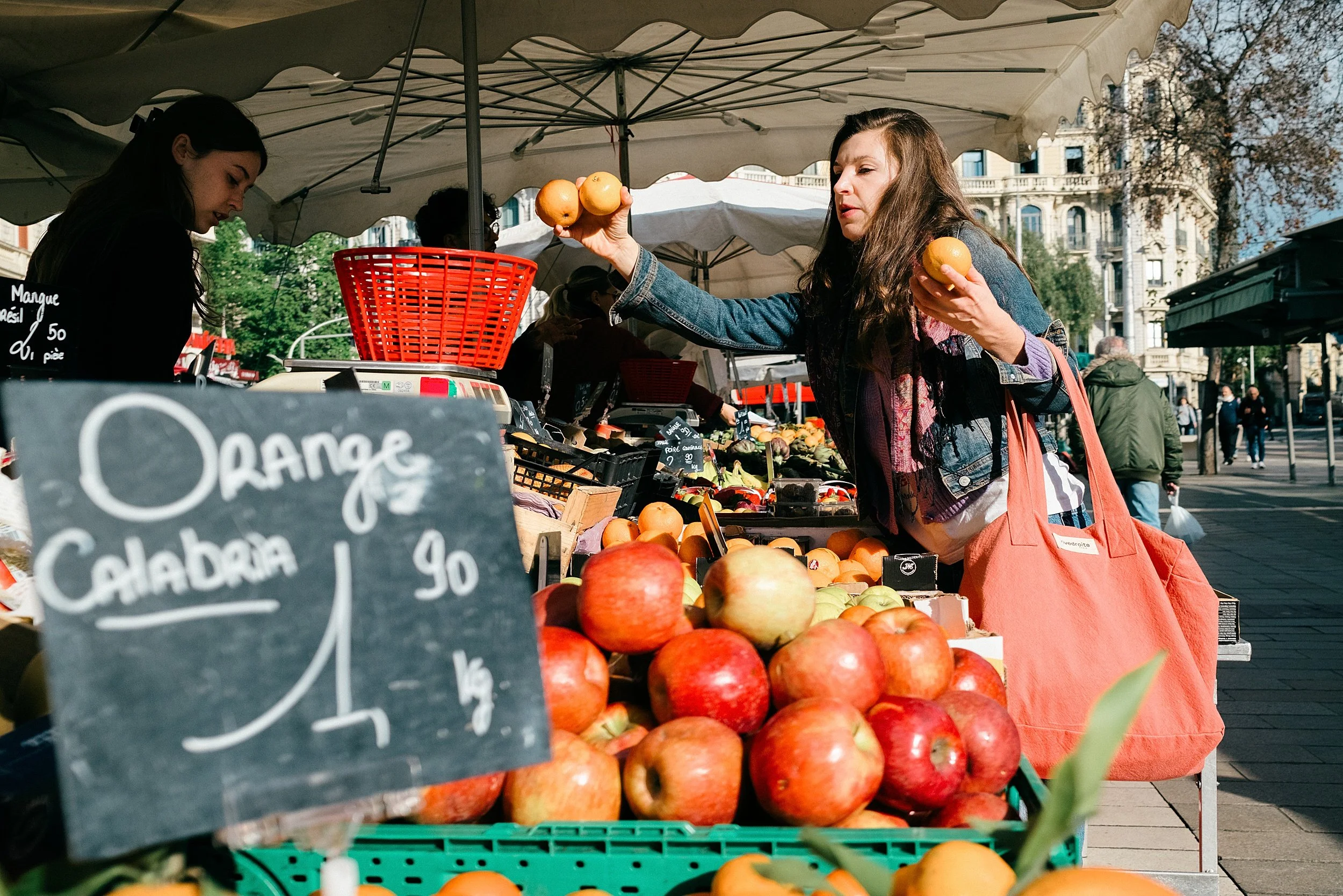
I particularly enjoyed the variety of merchandise and the activity surrounding the market. Colorful fruits and vegetables were arranged in neat displays, flowers brightened the stalls and shoppers moved through the aisles examining the day's offerings. The market provided an excellent introduction to the neighborhood, and I spent plenty of time photographing the people and produce before wandering into the surrounding streets.
For street photographers, markets are wonderful places to observe everyday interactions. People are occupied with shopping, vendors are busy working and small moments unfold constantly. The challenge is deciding which ones to photograph.
Marché de la Libération Opening Hours and Market Days
The Marché de la Libération is generally held Tuesday through Sunday mornings, with Monday as the regular day off. The official Nice Côte d'Azur tourism listing gives the market's hours as 6:00 a.m. to 12:30 p.m. for its 2026 schedule.
You don't need to arrive at six in the morning to enjoy it. I'd recommend visiting between approximately 8:00 and 11:00 a.m., when the stalls are well stocked and there's plenty of activity. The earlier part of the morning is particularly good for photographing vendors arranging merchandise and residents beginning their shopping.
By late morning, the market becomes more social as people stop to talk, finish their shopping or head to the surrounding cafés. As the stalls begin packing up around lunchtime, the neighborhood gradually shifts into its afternoon routine.
If you're planning a visit around the market, check the current schedule before you go, particularly around public holidays. The market is free to enter, and you can spend as much or as little time exploring as you'd like.
Photographing the Produce, Vendors and Everyday Life
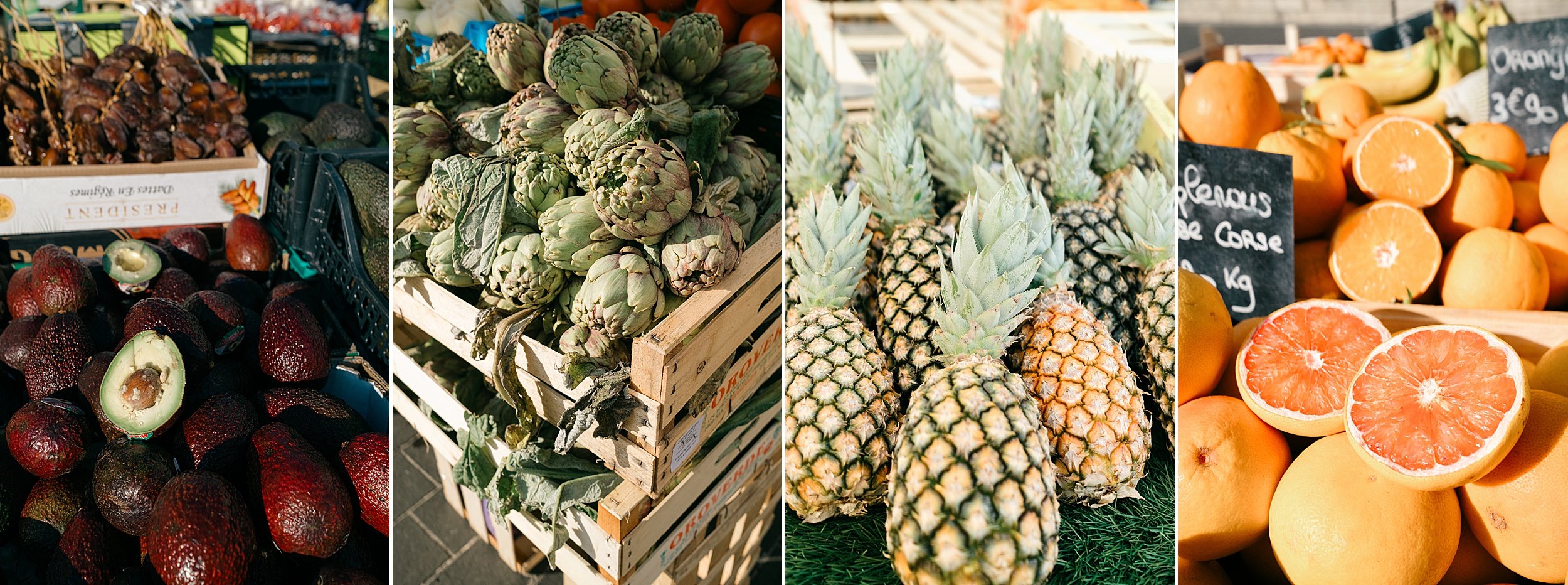
I love photographing food markets because they're full of color, texture and repetition. Crates of vegetables, baskets of fruit, fresh flowers and handwritten signs create interesting compositions before you even begin photographing the people.
At Libération, I found myself moving between wider photographs of the market and tighter images of individual stalls. The larger scenes show the relationship between the market and the surrounding neighborhood, while close-up photographs allow the produce, colors and textures to become the subject.
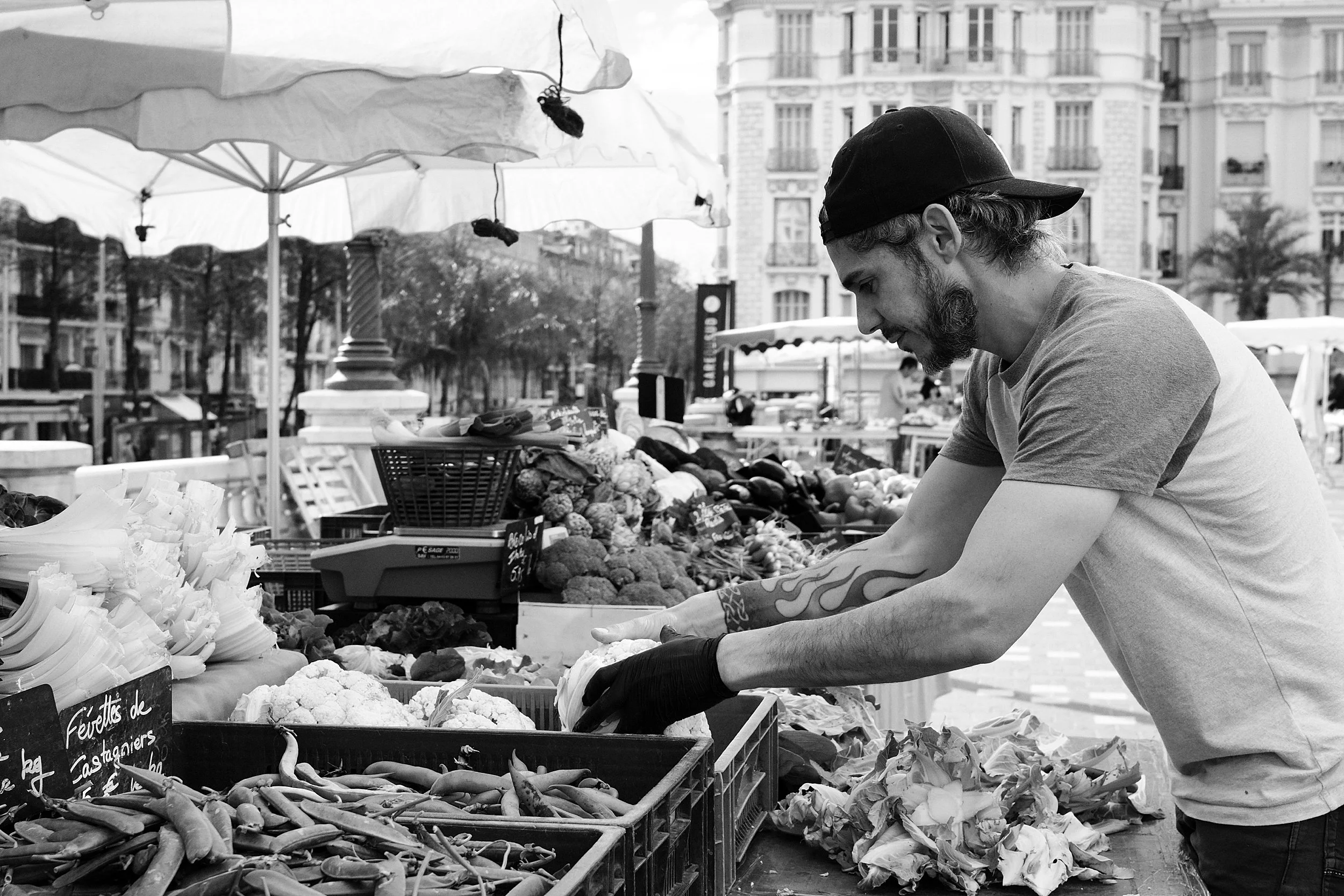
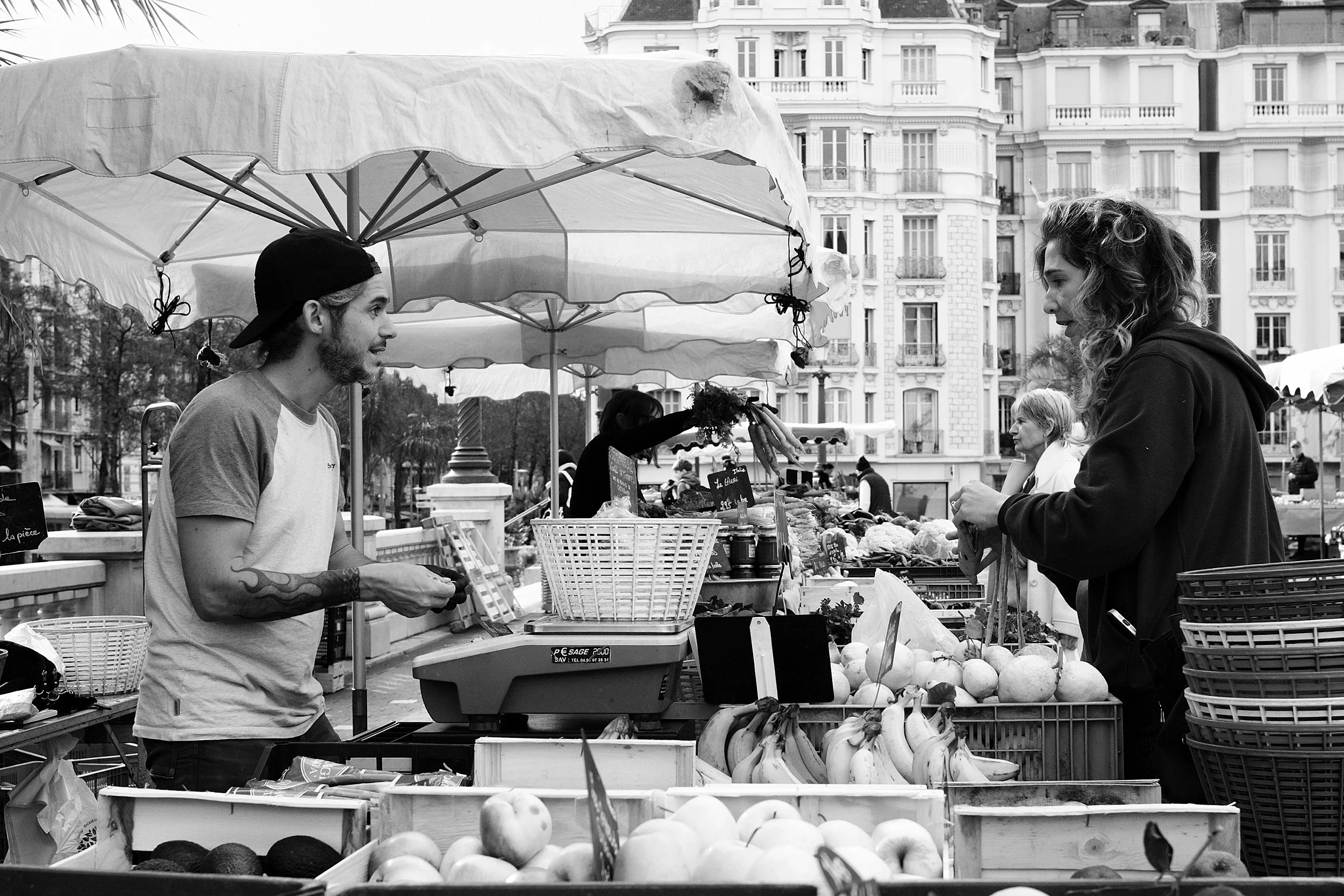
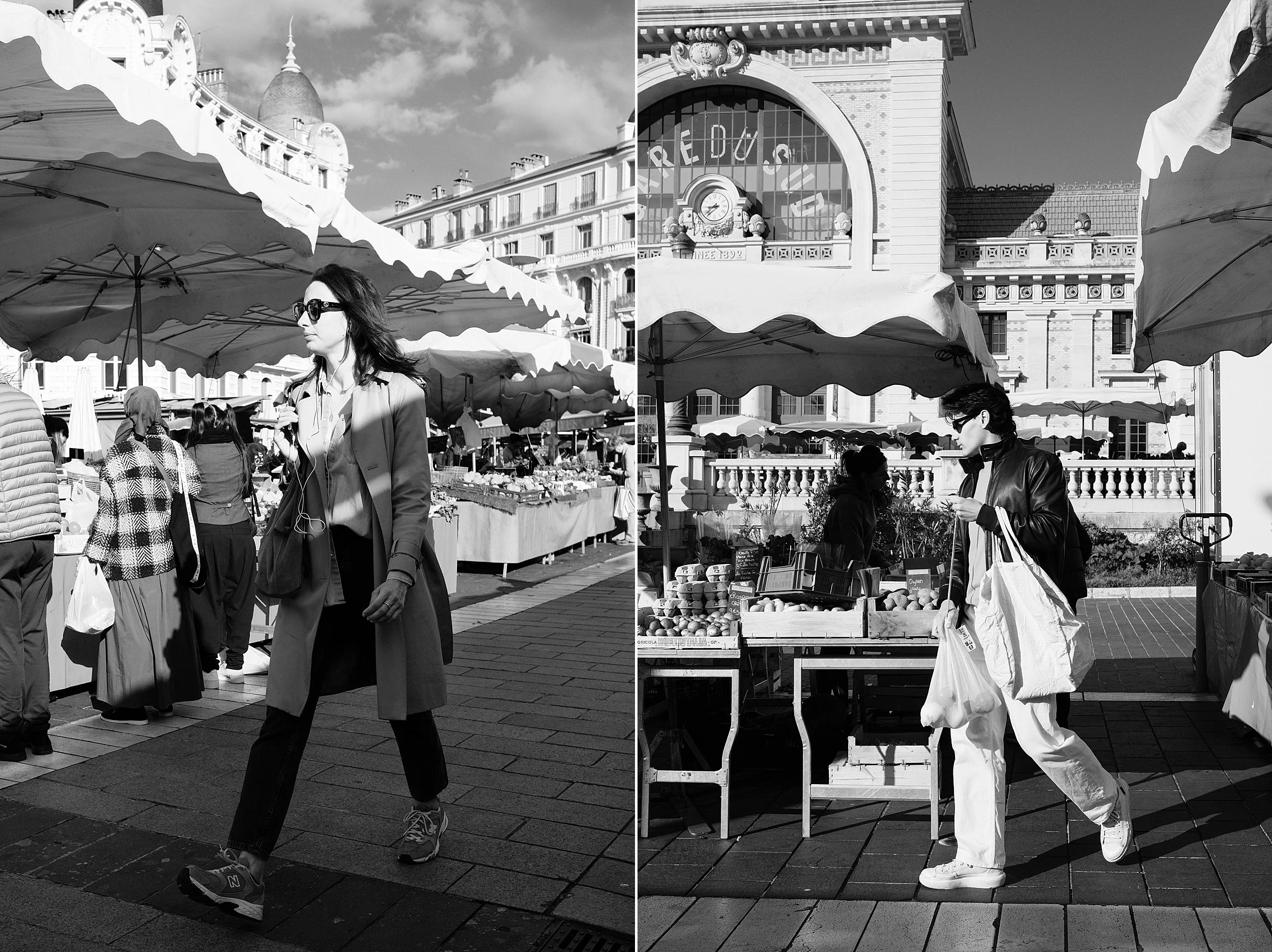
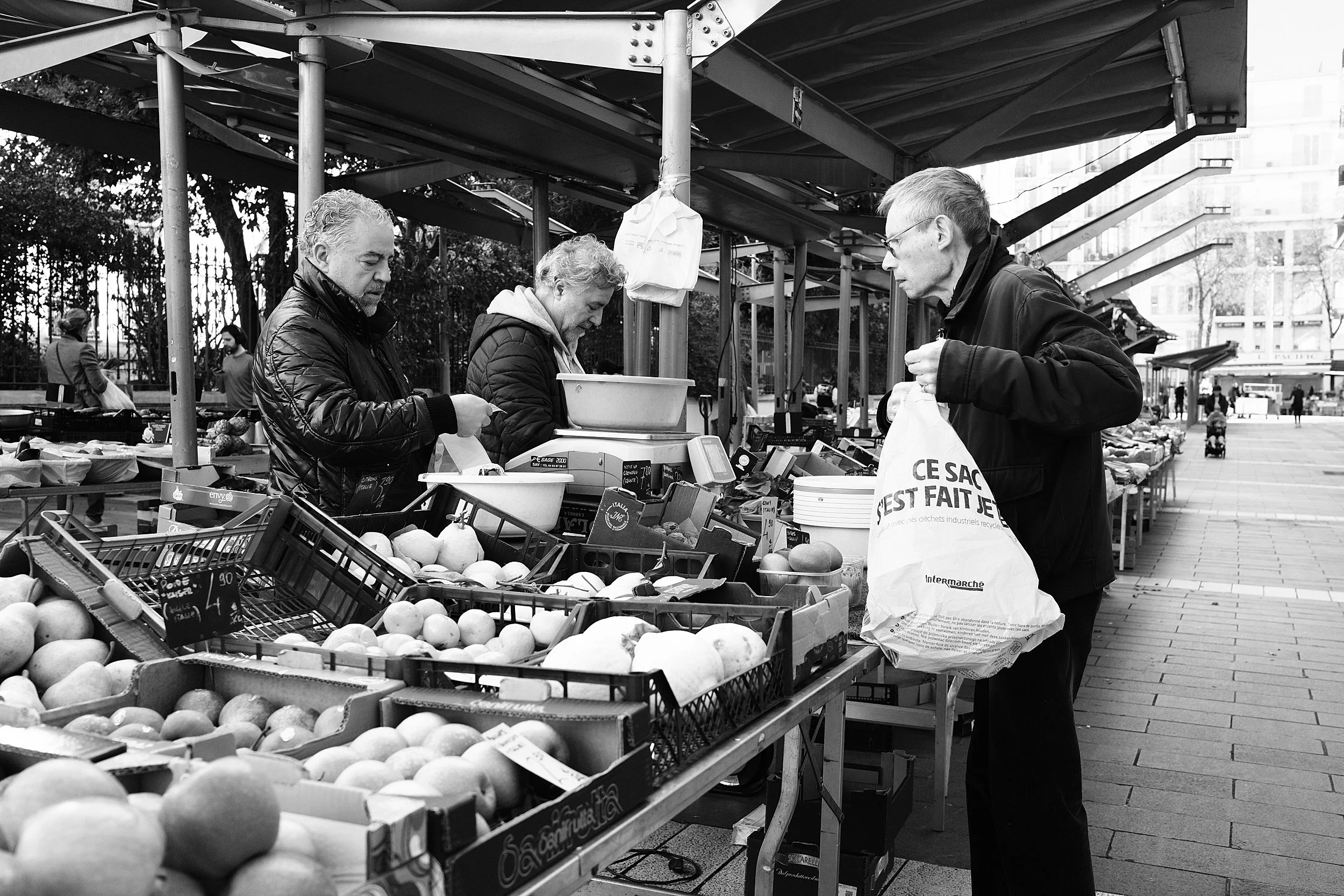
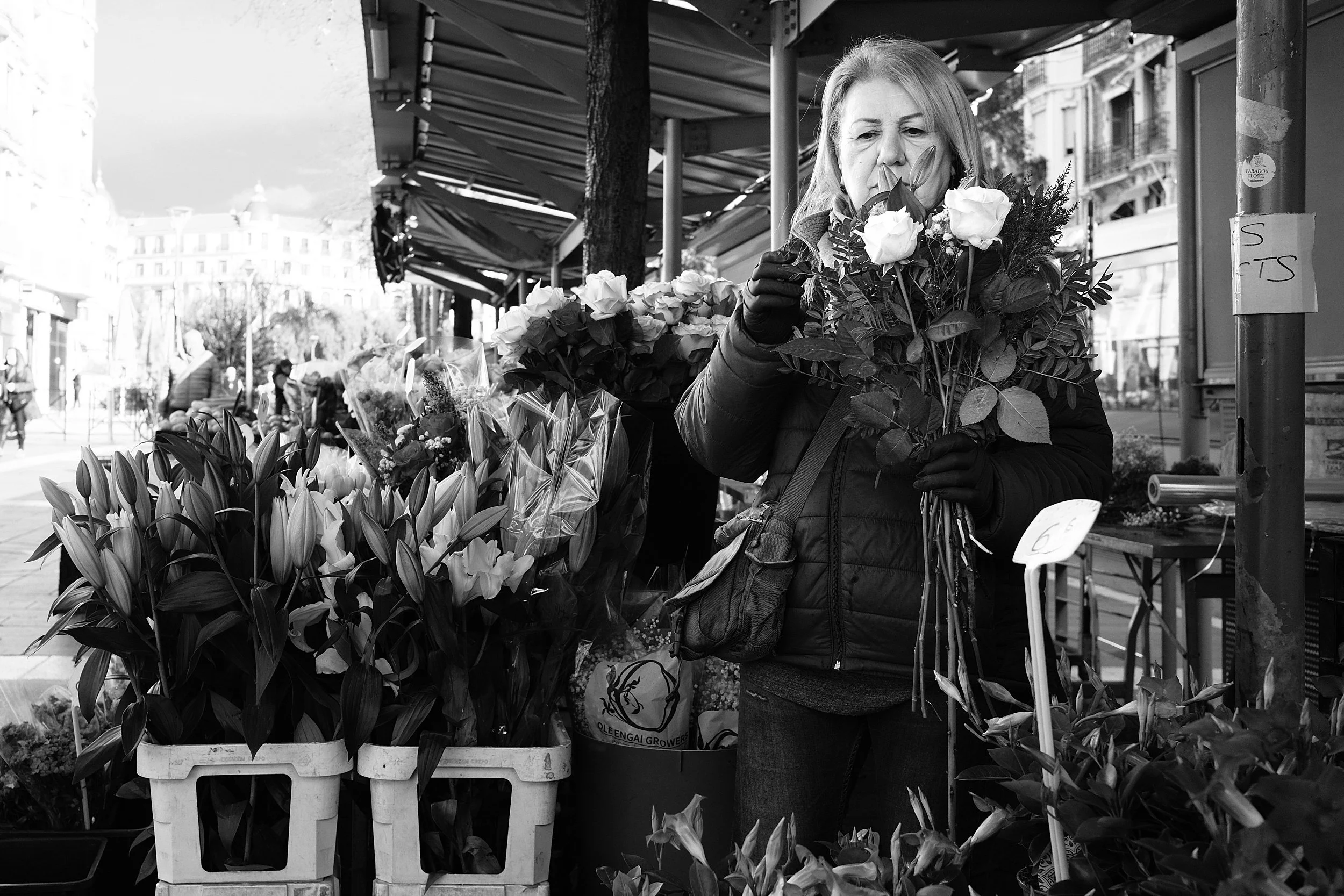
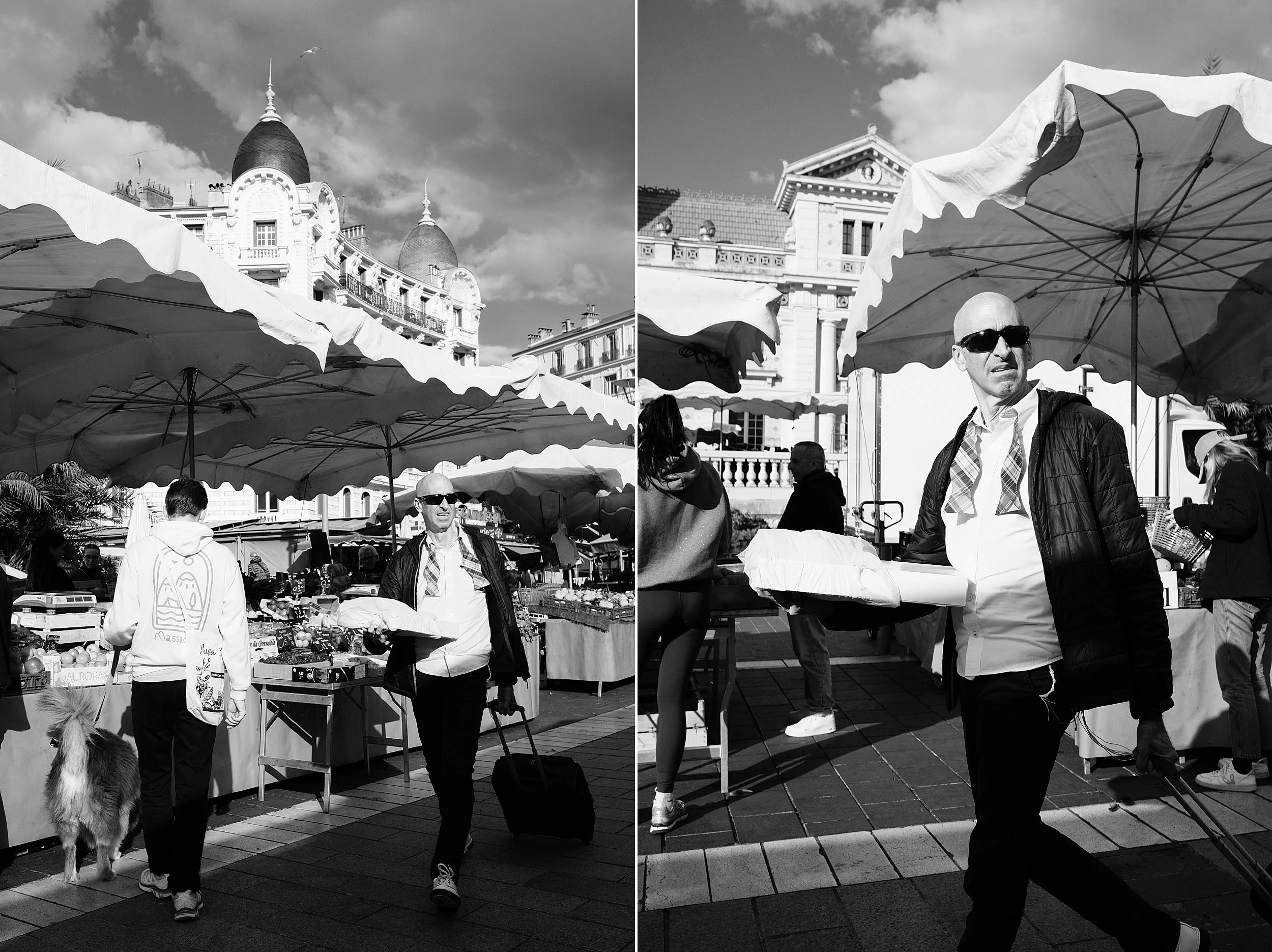
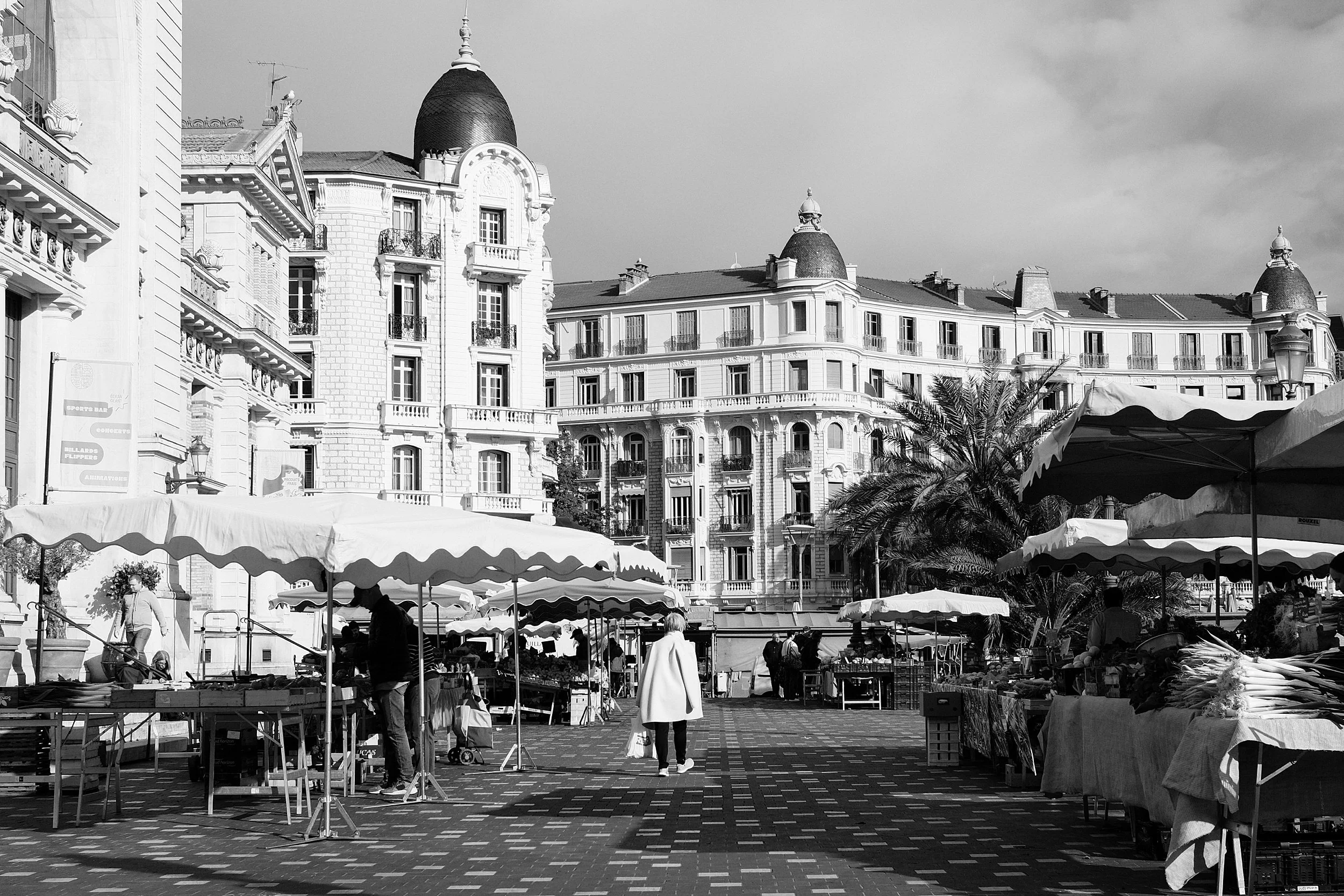
The people are equally important. Vendors arranging their displays, customers inspecting vegetables and neighbors stopping to chat provide opportunities for candid photographs that reveal how the market functions. I particularly enjoy photographing gestures, such as someone reaching for a piece of fruit or a vendor weighing a purchase, because these small actions can tell a story without requiring a formal portrait.
Markets are also excellent places to practice patience. Rather than constantly walking around looking for a photograph, find an interesting stall or a patch of beautiful light and spend a few minutes observing. People will move through the scene, interactions will develop and you'll have time to anticipate the moment you want to capture.
A Neighborhood That Made Me Feel Welcome
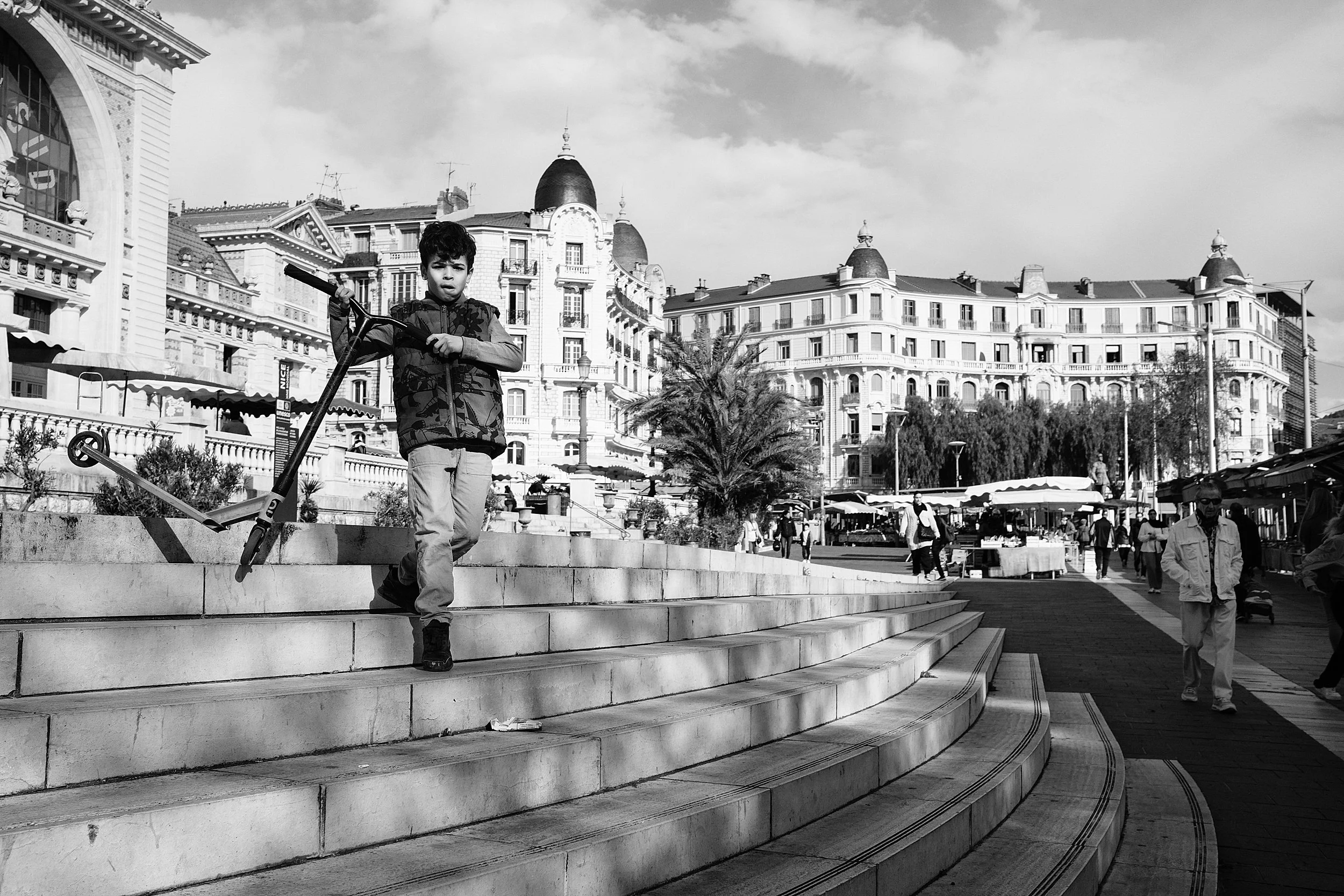
The friendliness of the people in Libération was one of the most memorable parts of my visit. I was walking around photographing the market and surrounding architecture when locals began stopping to talk with me. Some wanted to know what had caught my attention, while others offered to take a photograph of me.
I found it particularly charming that people were curious about my interest in the neighborhood. I was photographing buildings that they probably passed every day, and a few seemed genuinely interested in understanding what I found so compelling.
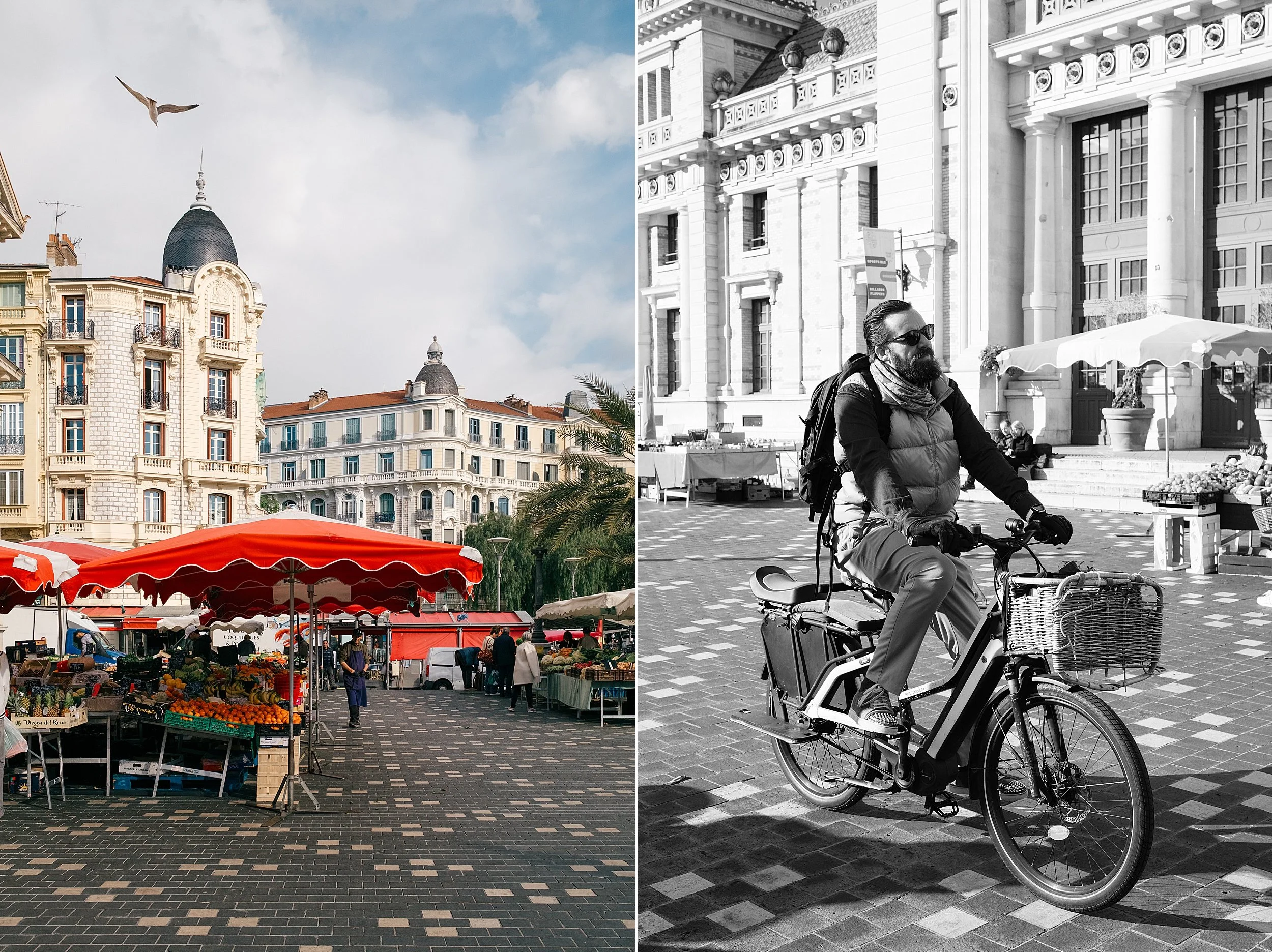
As a solo traveler and street photographer, I spend a lot of time wandering through unfamiliar cities with a camera. I'm accustomed to being relatively anonymous, particularly in popular tourist destinations. Libération was different. People noticed what I was doing, but their curiosity was friendly and welcoming.
Those conversations made the neighborhood especially memorable. I already loved the architecture and market, but the people gave me another reason to recommend it.
Don't Leave Without Exploring the Libération Neighborhood
If you visit Marché de la Libération, please don't make the mistake of photographing the market and immediately heading back to Vieux Nice. Set aside some time to wander through the surrounding streets, because the neighborhood itself is absolutely worth exploring.
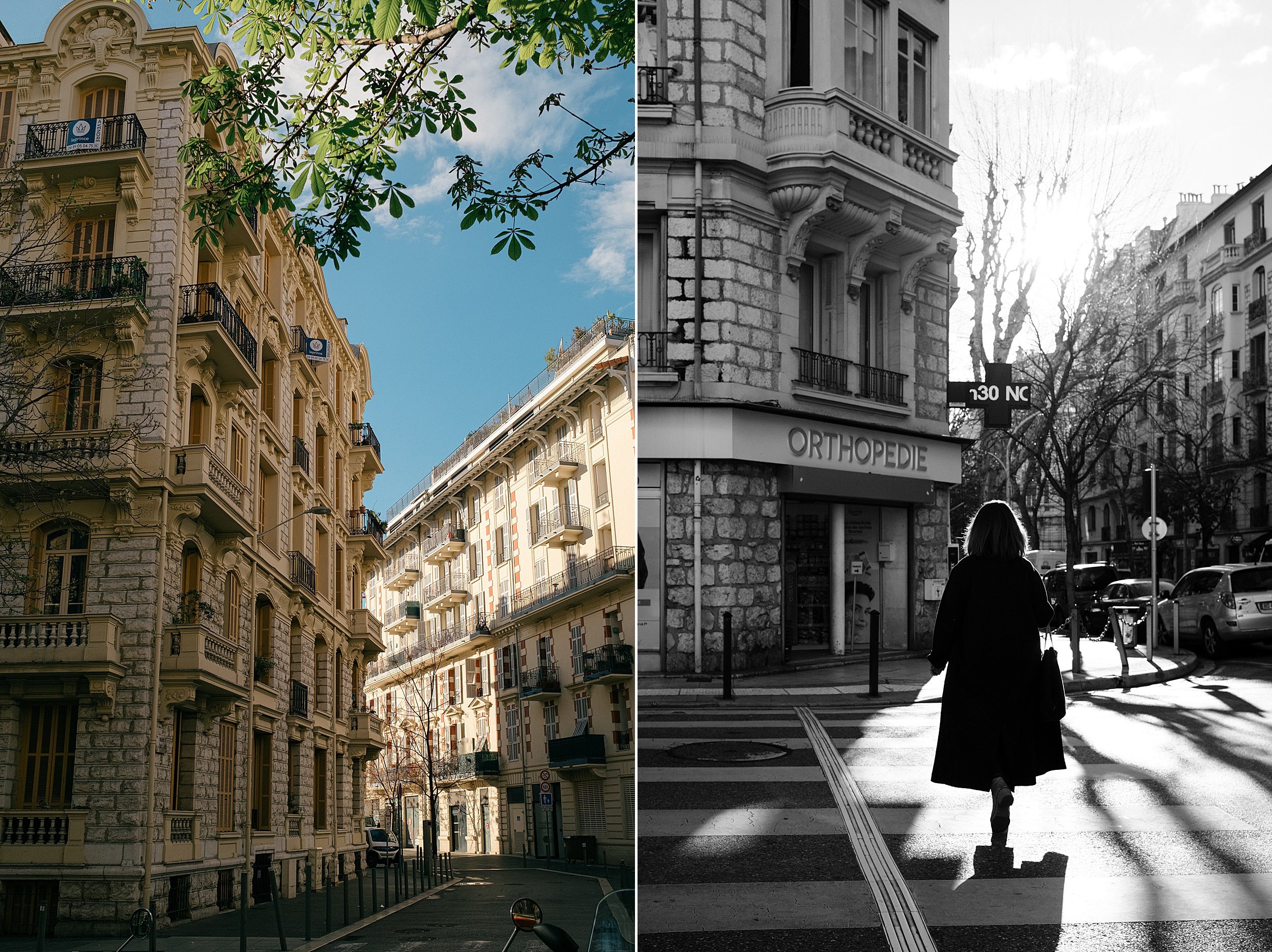
Libération has some beautiful late-19th- and early-20th-century architecture, including elegant apartment buildings with ornate façades, wrought-iron balconies and decorative stonework. Many have the proportions and classical details associated with Haussmannian architecture, while others reflect the Belle Époque and distinctive architectural character of Nice.
I was particularly drawn to the grand residential buildings around Place du Général de Gaulle and along Avenue Malausséna and Avenue Alfred Borriglione. Their façades are full of beautiful details, from sculpted ornamentation and curved balconies to elaborate entrances and tall windows.
These buildings deserve more attention than they generally receive from visitors. The architecture is beautiful, the streets are lively and the neighborhood offers a completely different photographic experience from the colorful Italianate buildings of Old Nice.
I recommend taking a stroll before or after the market, looking up at the façades and exploring the side streets rather than concentrating exclusively on the main square. You'll find plenty of interesting details, and you may even encounter a few friendly locals who want to know what you're photographing.
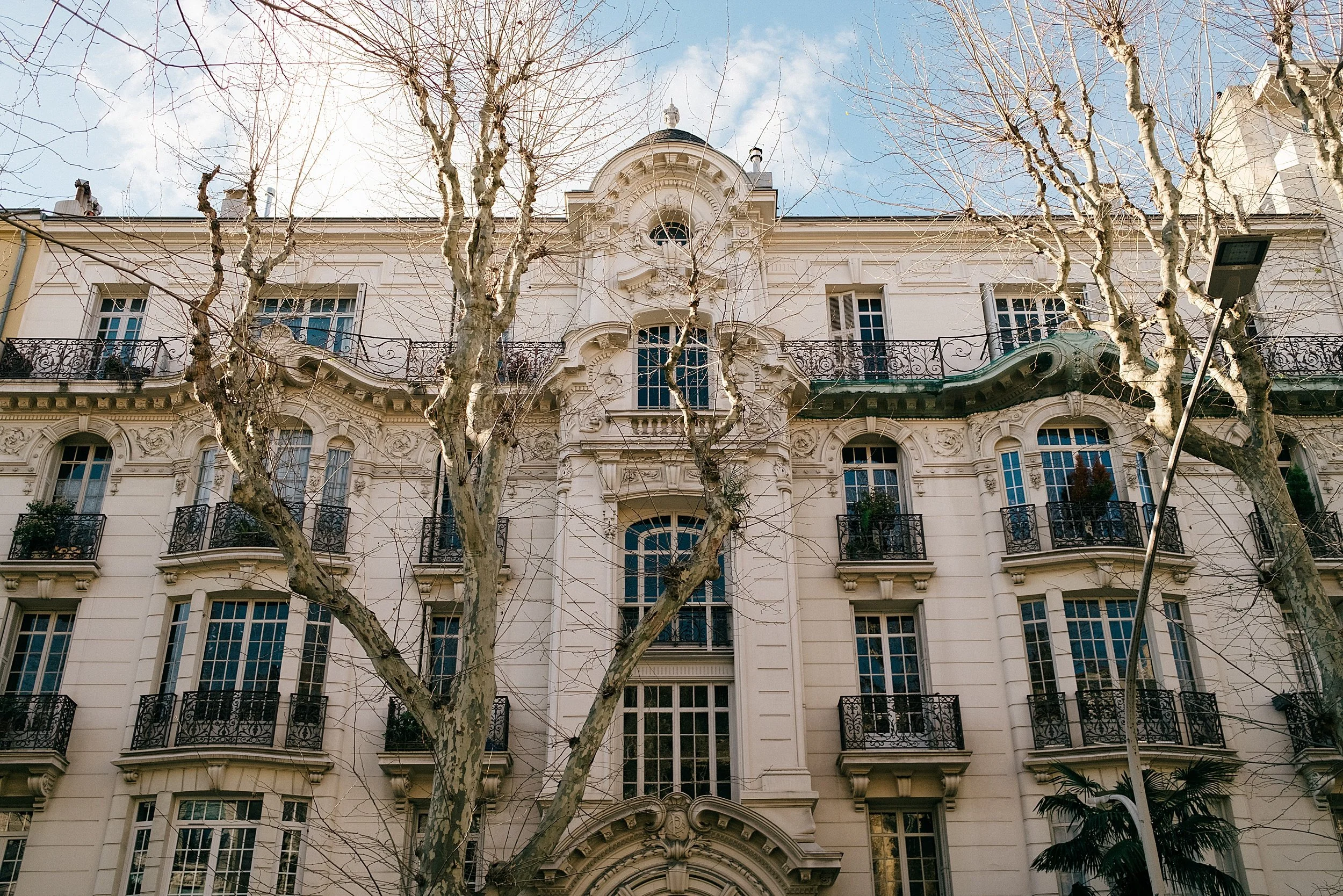
Photographing the Haussmannian and Belle Époque Architecture of Libération
If you enjoy architectural photography, Libération is a wonderful place to explore. The neighborhood developed during a period of significant growth in Nice, when the city was expanding beyond its older center and constructing elegant residential buildings for a growing population.
The architecture reflects that history. Many buildings feature the classical proportions, decorative façades and wrought-iron balconies associated with late-19th-century French urban design. Others incorporate the more elaborate ornamentation and stylist
Fine Art Prints & Image Licensing
Selected photographs from my Aix-en-Provence and South of France street photography collections are available as fine art prints. Images may also be available for editorial and commercial licensing, including travel publications, tourism, hospitality and commercial projects.
Contact me to inquire about purchasing a fine art print or licensing a specific photograph from this series.