
Including Your Partner in Birth and Newborn Photographs
Including Your Partner in Birth and Newborn Photographs
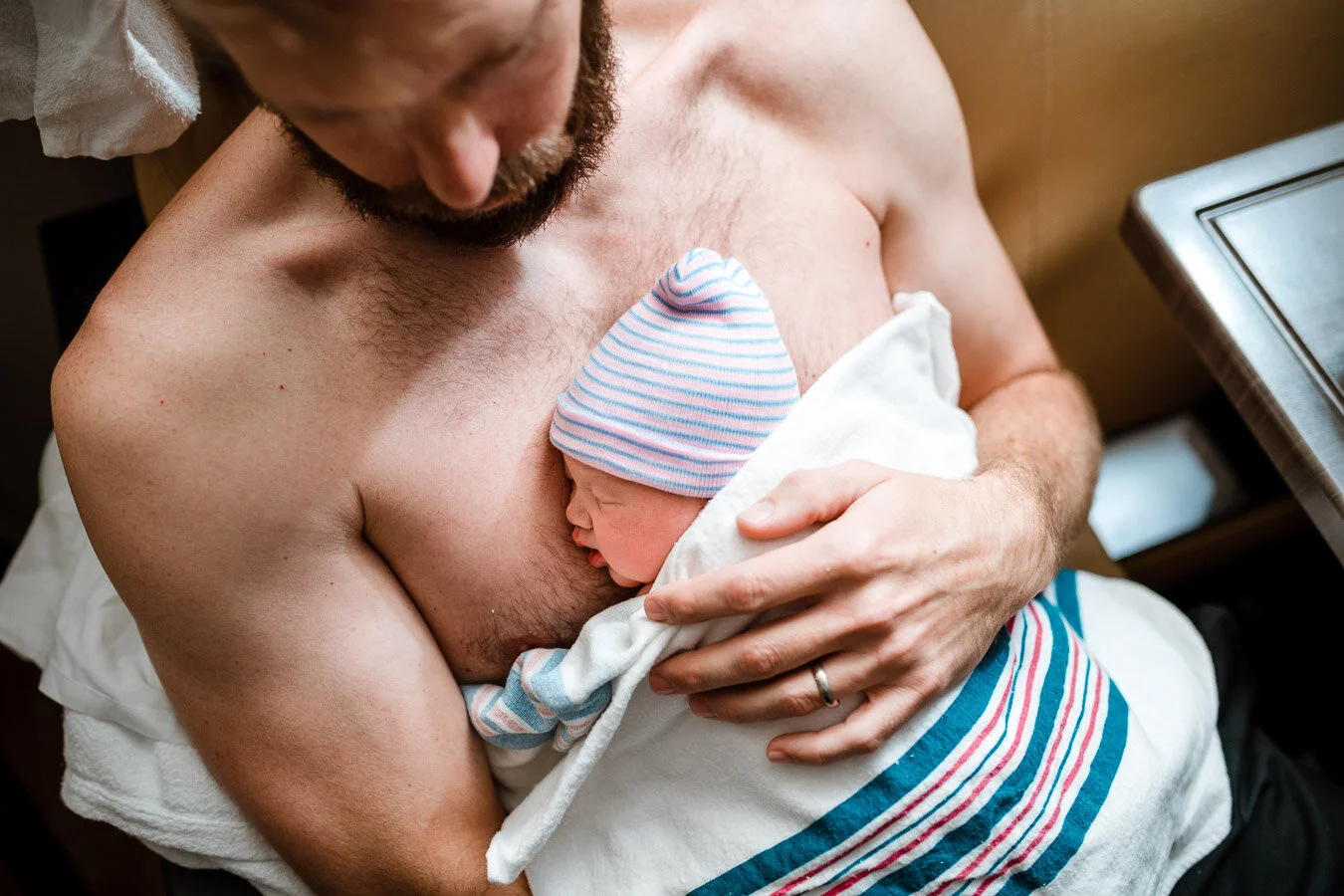
Sometimes one person becomes the family's unofficial photographer without ever choosing the job. They reach for the phone, remind everyone to stand together, and make sure the baby is in the picture. Later, the camera roll tells a story with someone missing from it.
Planning newborn photos with parents gives both of you a place in the record. It also raises a practical question: what are you supposed to do when neither of you is behind the camera?
You do not need to arrive with a collection of poses. A helpful starting point is to talk about how you want to participate, what feels natural between you, and whether either person has concerns about being photographed.
Make the invitation specific
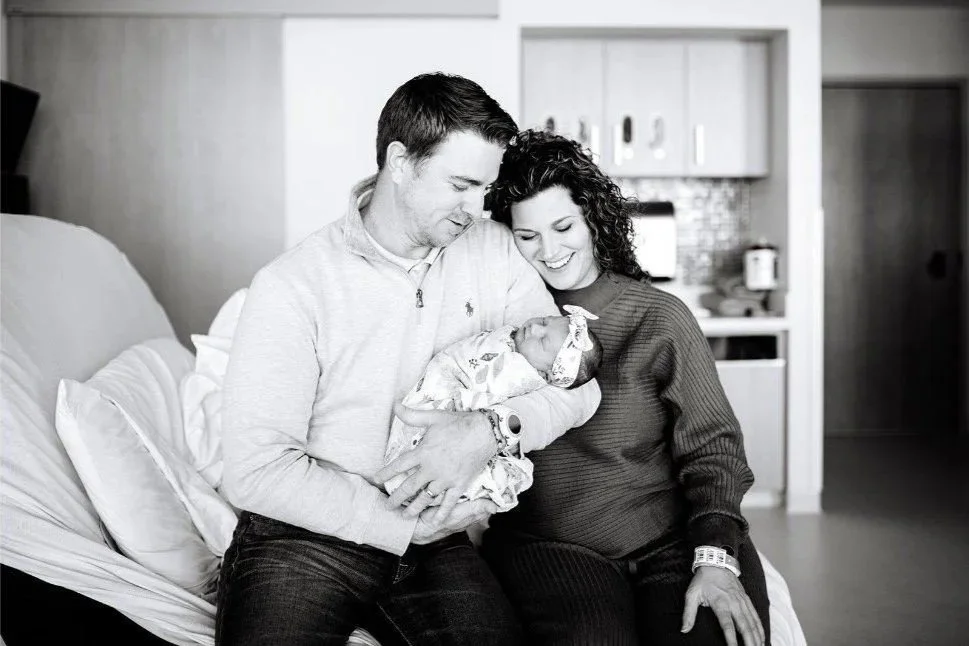
If your partner is unsure what a session will involve, explain that you would like photographs of them with the baby and photographs of all of you together. That is easier to picture than a vague request to be ready for a photoshoot.
Ask which images matter to them, too. They might value a photograph of the baby resting against their shoulder or a simple portrait together more than a large group arrangement. Making room for both people's preferences gives the session a shared purpose.
The goal is participation that each person is comfortable with. Someone who is reserved in front of a camera does not need to become demonstrative to show that they care.
Let ordinary interactions give you something to do
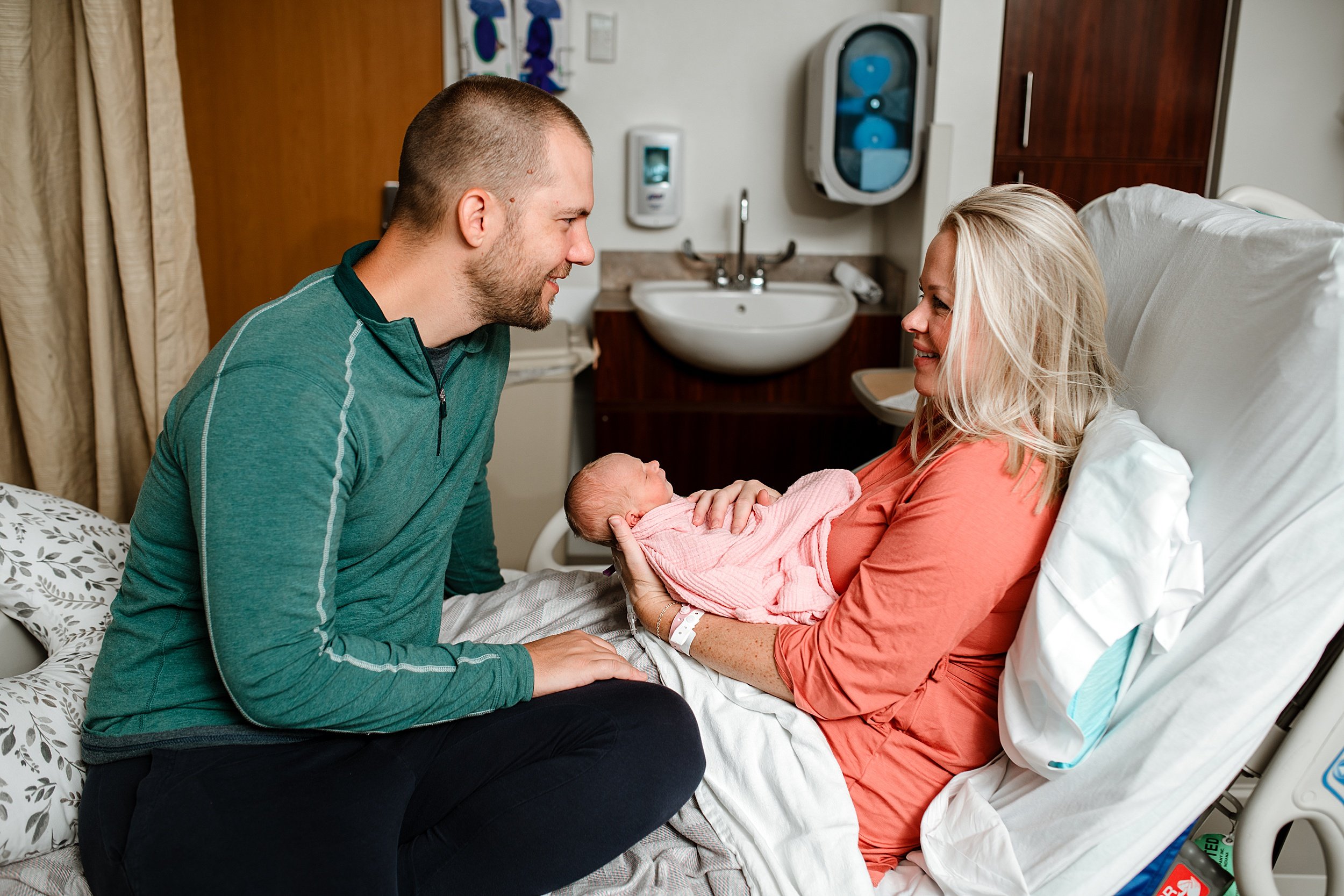
Looking down at your baby, listening to your partner, or sitting close together gives your attention somewhere familiar to go. It can feel easier than concentrating on where every hand belongs.
For newborn photographs, a seated arrangement with a parent comfortably supporting the baby can provide a simple starting point. Let the photographer guide the composition, and speak up if a position feels awkward or uncomfortable. There is no need to attempt a complicated pose to make an image meaningful.
If you enjoy a little direction, say so. If continuous instructions make you self conscious, that is useful to share as well. The question is what helps you feel present with each other.
Include individual relationships as well as the group
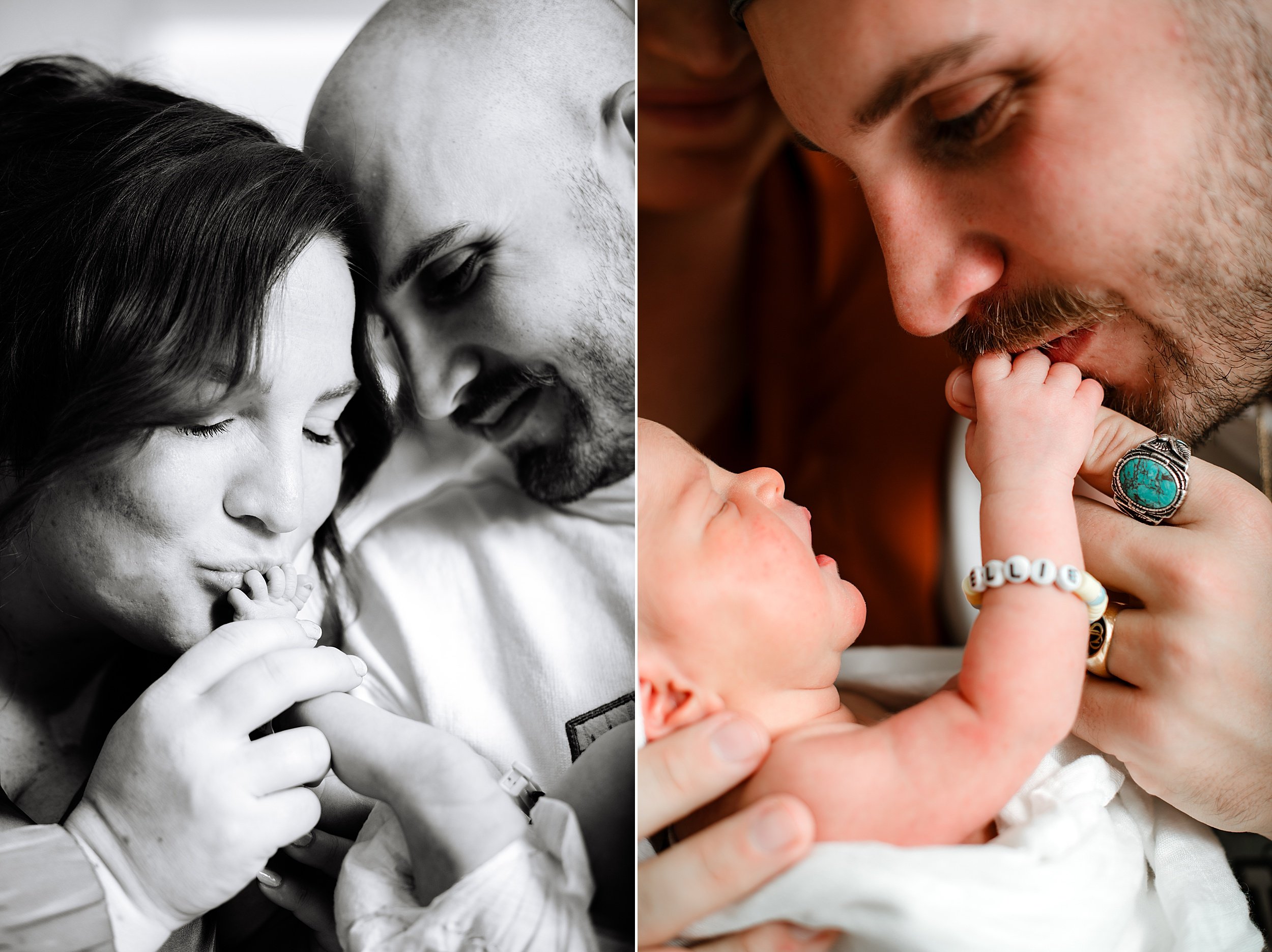
Photos of parents with a newborn can show more than one arrangement. You may want each parent photographed with the baby, followed by photographs together. A close view of a face or hand can add variety without requiring an entirely different setup.
Mention these priorities in advance so the photographer understands what you hope to include. The circumstances of the session will shape what is possible, but a clear preference is more helpful than assuming everyone has the same picture in mind.
This also makes space for different family structures. Name the people you want included and describe their relationship to your baby in the language your family uses.
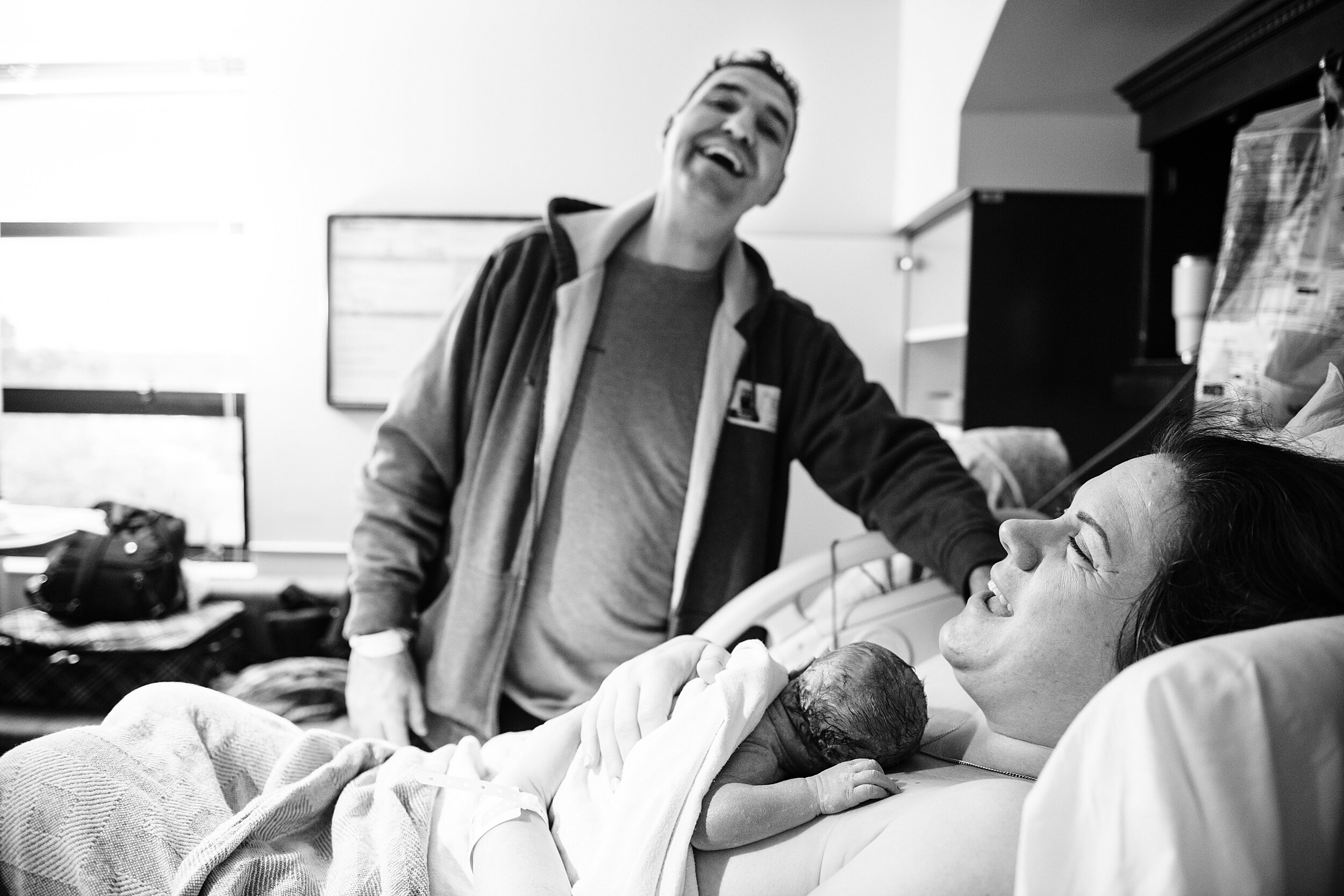
During birth let support remain the priority
If your partner will also appear in birth photographs, they do not need to divide their attention between supporting you and monitoring the camera. Talk beforehand about whether they are comfortable being photographed while they are involved in the experience.
Their presence may appear through a gesture, an expression, or simply being beside you. They should not feel responsible for producing a particular reaction. Birth photographs can reflect the relationship as it unfolds within the access and coverage available.
If you are deciding when you want photographs made, compare birth photography and Fresh 48 before choosing the service that fits your plans.
Share preferences before the camera comes out
Discuss any concerns privately with your photographer before the session. These might involve physical comfort, expressions you dislike being asked to make, or which images you want kept off social media.
For newborn and family photography in Pensacola, explore the family photography page and share who you would like included. The photographs can give each person a place in this beginning, with room for the way your family actually relates to one another.